
What it takes to run Kimi K2.6
Moonshot AI · leaderboard rank #18 · Modified MIT license
To run Kimi K2.6, you'll need at least ~1320 GB of GPU memory — here's the minimum real setup that gets you there: 1× NVIDIA DGX B200, totaling $400,000 and drawing 10200 W (about 8.5 average homes' worth of continuous power).
How big is this model?
Parameters are the internal numbers an AI model learned during training — think of them loosely as the model's "brain cells." More parameters usually means a more capable model, but it also means the model needs more GPU memory to run.
Kimi K2.6 has about 1100 billion total parameters. It's a Mixture-of-Experts model, so only about 32 billion parameters are "active" for any given word it generates. Some large models are "Mixture-of-Experts" models: they have a huge total number of parameters, but only wake up a smaller subset (the "active" parameters) for any single word they generate. The full model still has to sit in GPU memory, but the active count is closer to how much raw computation each step actually takes.
The official Hugging Face model card (huggingface.co/moonshotai/Kimi-K2.6) shows two figures: the architecture table states "Total Parameters: 1T" (1,000 billion), while the file-metadata sidebar — measured directly from the actual model weight files — states "Model size: 1.1T params" (1,100 billion).
We use the 1,100 billion figure, the same way this store prefers GLM-5.2's directly-stated "Model size" figure over a rounder secondary number.
The 32B active-parameter figure comes from the architecture table, which is the only place it's stated, with the license listed as "modified-mit".
The memory math, done in the open
Our rule of thumb: 1 GB of GPU memory for every 1 billion parameters, plus 20% extra working room. AI software needs some extra breathing room beyond the raw size of the model itself — for temporary calculations, for the running conversation, and for multiple requests at once. We add 20% on top of the model's raw size as a safe, standard rule-of-thumb minimum for that breathing room.
This is a floor, not a comfortable production number — it assumes one request at a time and no extra safety margin. Real deployments usually want more.
The minimum real build that fits
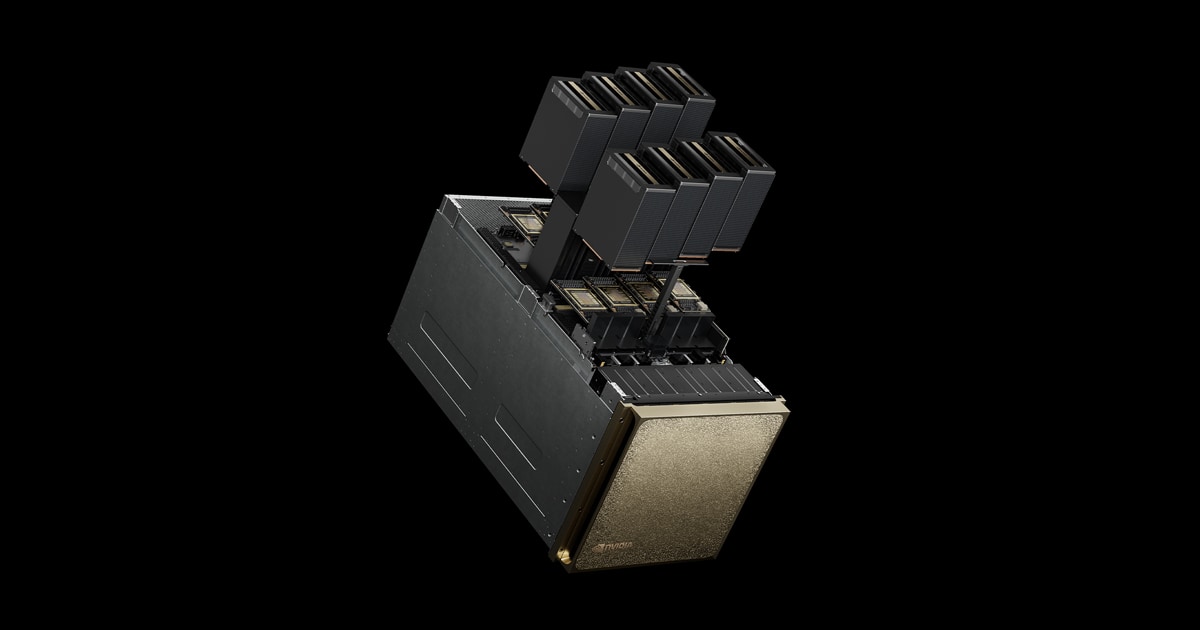
1× NVIDIA DGX B200
What that power draw means
Power draw is how much electricity the hardware pulls when it's working hard, measured in watts (W). It affects your electricity bill, and at large scale, whether your building's power and cooling can even support the equipment.
- 8.5 average homes' worth of continuous power — To make a watt number feel real: we compare it to an average home, which draws roughly 1,200 watts around the clock (lights, fridge, HVAC, electronics, etc., averaged over a day). Dividing hardware wattage by 1,200 tells you how many average homes' worth of continuous power the hardware uses.
- would drain a typical 90 kWh EV battery in about 8.8 hours — To make power draw feel real over time, we compare it to a typical electric car battery, which holds about 90 kWh (kilowatt-hours) of energy. That tells you roughly how many hours of running the hardware it would take to burn through one full EV battery's worth of energy.
Ready to move forward?
Tell us your name and email and we'll follow up about this exact package — no payment, no account needed.
Other builds that would also fit
- 1× NVIDIA GB200 NVL72 — 13824 GB, $3,000,000, request a quote
- 1× NVIDIA GB300 NVL72 — 20736 GB, $4,000,000, request a quote
Want more headroom for real traffic, not just the bare minimum? Try the startup guide or mid-size company guide.