What's a cluster?
A cluster is simply multiple computers wired together to act like one bigger machine.
Two very different things people call "a cluster"
Real datacenter clustering: machines wired together with purpose-built, very fast links — NVIDIA calls theirs NVLink (GPU-to-GPU inside and across servers) and InfiniBand (server-to-server networking). These links are fast enough that many GPUs can behave, for software purposes, like one much bigger GPU with combined memory and combined compute. This is how a rack like the ones we sell can run a single model that's far bigger than any one GPU's memory.
A pile of desktop cards: if you put several ordinary desktop graphics cards in one PC, they are only connected by the PC's regular internal wiring (PCIe), which is much slower for this purpose, and desktop cards and motherboards aren't built for this at all (no fast card-to-card links, no server-grade reliability features, no vendor support for it). You can sometimes coax software into splitting a big model across them, but it will run much slower than the same total memory on real clustered datacenter hardware, and it's not something we sell as a serious production build.
A concrete comparison
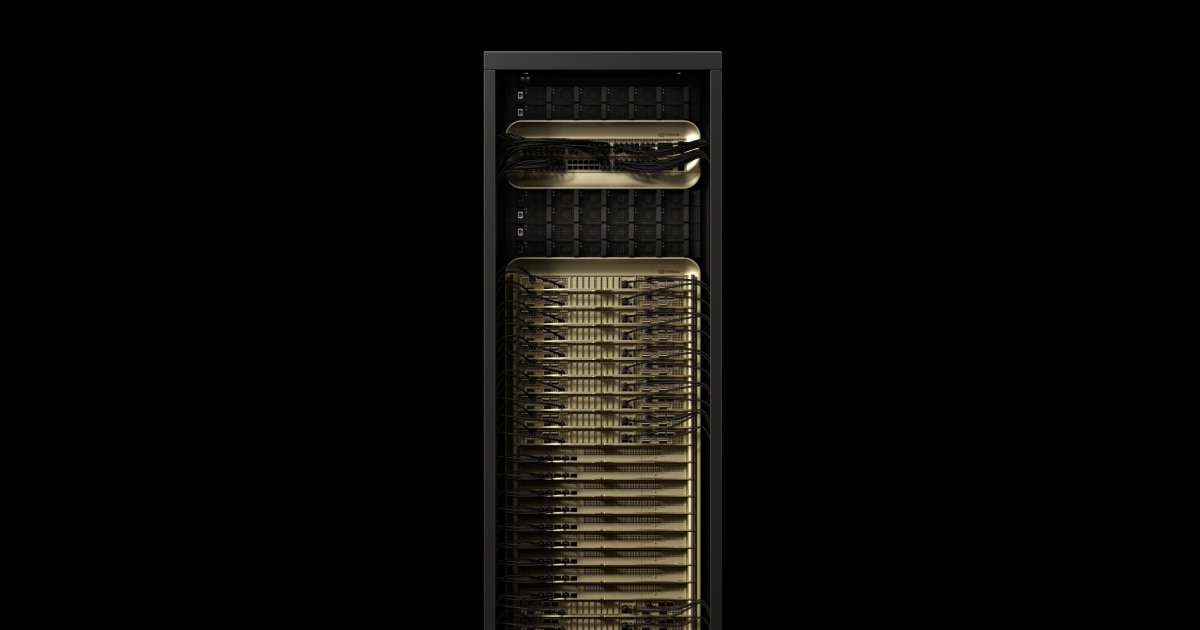
NVIDIA GB200 NVL72 — 13824 GB of combined GPU memory, engineered as one real cluster.
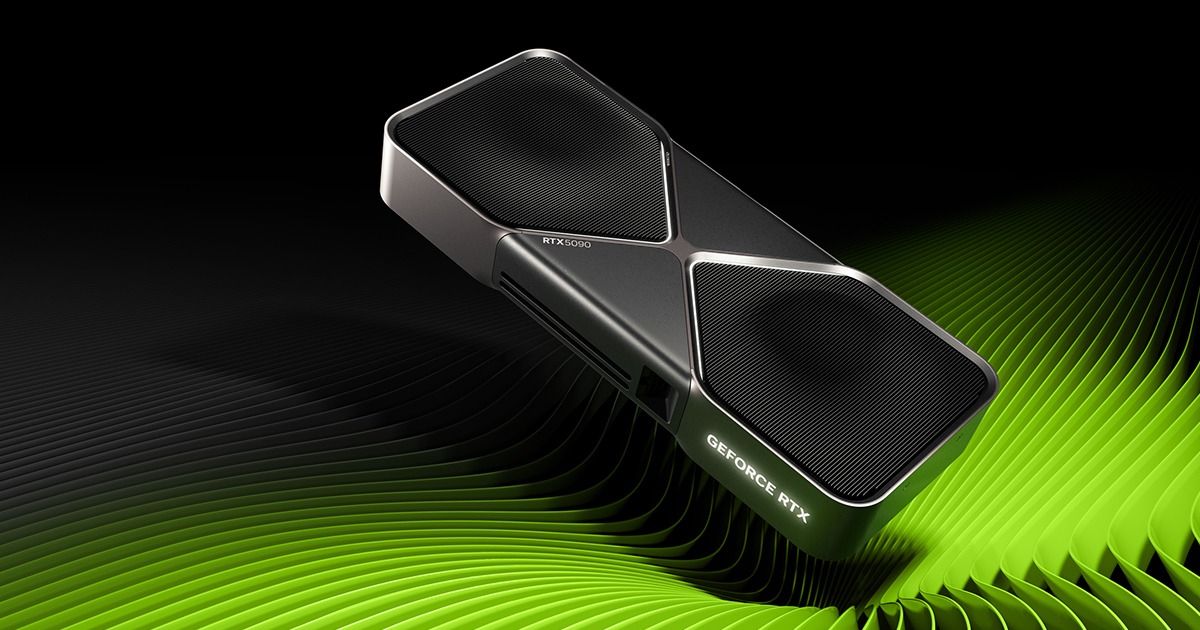
To reach the same total memory by piling up 432× GeForce RTX 5090s (desktop cards) instead, you'd spend roughly $1,036,800 — and they still wouldn't meaningfully act as one machine the way the rack's GPUs do (before you even solved the problem of connecting them, which desktop hardware isn't designed to do at this scale).
When a build combines machines, we show the combined numbers
For NVIDIA GB200 NVL72, that means:
- Combined GPU memory: 13824 GB across 72 GPUs
- Combined price: $3,000,000
Combined power draw, made real
Power draw is how much electricity the hardware pulls when it's working hard, measured in watts (W). It affects your electricity bill, and at large scale, whether your building's power and cooling can even support the equipment.
- 100.0 average homes' worth of continuous power — To make a watt number feel real: we compare it to an average home, which draws roughly 1,200 watts around the clock (lights, fridge, HVAC, electronics, etc., averaged over a day). Dividing hardware wattage by 1,200 tells you how many average homes' worth of continuous power the hardware uses.
- would drain a typical 90 kWh EV battery in about 0.8 hours — To make power draw feel real over time, we compare it to a typical electric car battery, which holds about 90 kWh (kilowatt-hours) of energy. That tells you roughly how many hours of running the hardware it would take to burn through one full EV battery's worth of energy.
GPU count and total memory (13.5 TB HBM3e, i.e. 192 GB per GPU) from NVIDIA's official GB200 NVL72 product page. Power draw: NVIDIA's nominal spec is 120 kW per rack, though real-world deployments have been reported running 130–132 kW under full load — we show the 120 kW nominal figure but flag it as an estimate. System RAM (36 Grace CPUs) is computed from the Grace CPU's published 480 GB LPDDR5X spec × 36, not a single number NVIDIA states for the whole rack.